|
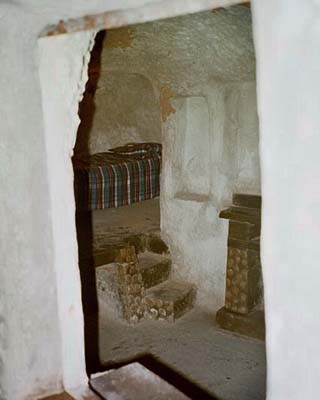
Forestiere’s retrospective arches and gardens express that contrast between the Old World and the New World. Isolated in a dry valley in the extreme edge of the North American continent, he recreated a part of that Sicily of his youth. But for the Italian immigrant, the past can also represent discord and hardship. The problematic nature of the past is a seminal theme that runs throughout Italian American literature. While Forestiere dug, hauled, carved, and built to reconstruct his Gardens, he was also expressing, paradoxically, that other impulse to escape from the bitter aspects of his past. As Gennaro’s rebellious son, Emilio, says in The Grand Gennaro, what past should the Italian immigrant recall: “The Roman past and the past of the sixteenth century? Or the past of their miserable enslavement? Or the past of their recent history—the betrayal of Garibaldi and the republican hopes of Mazzini?”30 Similarly, Jo Pagano writes in Golden Wedding that his Simone family before coming to America had lived for centuries “in a condition that amounted to feudal serfdom.”31 Baldassare and his brother left Italy to escape the patriarchal order that his oppressive father represented. While his vineyards recalled the labor of his past and even created for Forestiere another kind of serfdom, his grottoes were his castle: “In casa sua ciascuno è re.”32 His grottoes allowed him to live comfortably between two worlds: his livelihood as a successful San Joaquin Valley farmer and his memories of Sicily.